
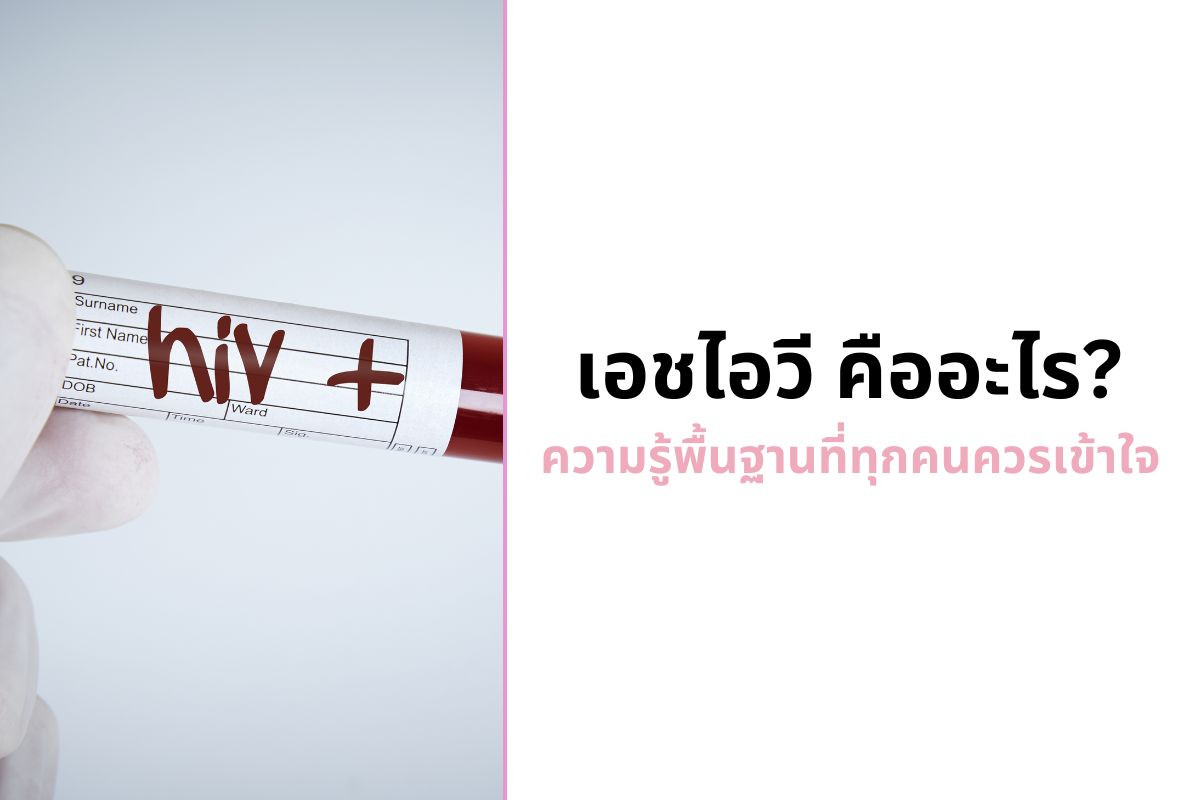
HIV (Human Immunodeficiency Virus) is a virus that destroys the body's immune system, especially CD4 white blood cells, which play an important role in protecting the body from various infections. If left untreated, HIV can progress to AIDS (Acquired Immunodeficiency Syndrome), which is the final stage of the infection in which the immune system is severely damaged.
How does HIV work?
HIV enters the body through body fluids such as blood, semen, vaginal secretions, and breast milk. When the virus enters the bloodstream, it begins to destroy CD4 cells, using them to create new viruses. This process gradually reduces the number of CD4 cells, weakening the immune system and increasing the risk of contracting certain diseases or cancers.
How HIV is transmitted
HIV can be transmitted through:
- Unprotected sex
- Sharing injection needles
- Untested blood transfusions
- Pregnancy, childbirth, or breastfeeding (from mother to child)
However, HIV is not transmitted through everyday contact, such as shaking hands, hugging, sharing plates or glasses, and is not spread through the air or through insect bites.
Symptoms of HIV Infection
Acute HIV Infection: Infected people may have flu-like symptoms, such as fever, sore throat, swollen lymph nodes, or a rash.
Chronic HIV Infection: During this stage, infected people may not have any symptoms, but the virus continues to destroy CD4 cells.
AIDS: This stage is when the immune system is very weak. People are at risk of opportunistic diseases, such as tuberculosis, pneumonia, or certain types of cancer.
HIV Diagnosis

HIV can be tested through a blood test to find antibodies to the virus or directly test for the virus. If detected early, treatment can be more effective.
HIV Treatment
There is currently no cure for HIV, but it can be controlled with antiretroviral therapy (ART). These drugs reduce the amount of virus in the blood to the point where it is undetectable, allowing infected people to stay healthy and reduce the chances of spreading the virus to others.
The Impact of HIV on Infected People
HIV infection not only affects physical health, but also mental and social health. Many infected people face stress, anxiety, and social stigma. Providing accurate knowledge and understanding is important in reducing misunderstandings and discrimination against infected people.
HIV Prevention Guidelines
- Use condoms every time you have sex.
- Avoid sharing needles.
- Get regular blood tests if you are at risk.
- Take pre-exposure prophylaxis (PrEP) or post-exposure prophylaxis (PEP) under the guidance of a doctor.
- Educate and raise awareness in the community about HIV and how to prevent it.
U=U: New hope for people living with HIV
U=U, or Undetectable = Untransmittable, is a concept that proves that people with HIV who have been treated and have no detectable HIV in their blood cannot pass it on to others. This is a medical breakthrough that has helped reduce stigma and improve the quality of life for people living with HIV.
Living with HIV
People living with HIV can live long, fulfilling lives with proper treatment and care. Having a support system from family, friends, and community is important to help build mental health and give people the confidence to live confidently.
Research advances
There is ongoing research into HIV vaccines and curative treatments, which offer hope for the future of people living with HIV. Supporting research and access to new information is essential to driving medical advances.
Facts you should know about HIV

- HIV is not the end of life: With proper treatment and care, people living with HIV can live long, quality lives just like everyone else.
- Testing is important: Blood tests can detect HIV early. This increases the chances of effective treatment.
- Education reduces stigma: Providing accurate information about HIV reduces misunderstandings and discrimination in society.
- HIV is preventable: By using the right prevention methods, such as condoms and PrEP, we can reduce the risk of infection.
HIV is not the end of life. Knowledge, understanding, and access to appropriate treatment can help people with HIV live long, quality lives. Regular health screening, community education, and effective prevention are the keys to an HIV-free future for our society.
Sources and further reading
Primary and authoritative sources used for context and fact-checking.
- Frequently asked questions on sexual and gender diversity, health and human rights World Health Organization (WHO)
- The Thai Handbook of Transgender Healthcare Services IHRI & Center of Excellence in Transgender Health, Chulalongkorn University
- Standards of Care for the Health of Transgender and Gender Diverse People, Version 8 World Professional Association for Transgender Health (WPATH)
- Consolidated guidelines on HIV, viral hepatitis and STI for key populations (2022) World Health Organization (WHO)
- STI Treatment Guidelines: Transgender and Gender Diverse Persons U.S. Centers for Disease Control and Prevention (CDC)
- Legal Gender Recognition in Thailand: A Legal and Policy Review United Nations Development Programme (UNDP)
- The struggle of trans and gender-diverse persons United Nations Human Rights (OHCHR)