
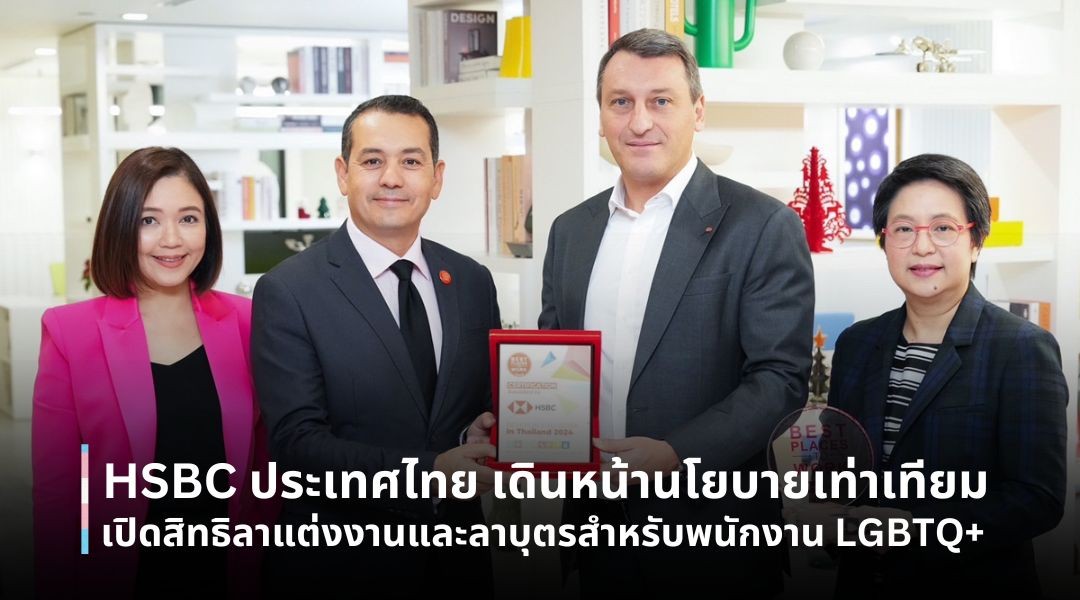
HSBC Thailand has officially approved paid marriage leave for LGBTQ+ employees following the legalization of marriage equality in Thailand this year. In line with the bank’s longstanding commitment to equality, this move also includes enhanced health insurance benefits extended to employees’ partners and families, regardless of gender or sexual orientation. The bank has promoted inclusion and equal rights in the workplace for over 15 years.
In addition to marriage leave, HSBC Thailand now provides paid parental leave for employees adopting children, reinforcing its efforts to create a workplace that values diversity and embraces all identities. These policies highlight the bank’s mission to cultivate a non-discriminatory environment where every employee can belong, contribute, and thrive.
Recognized as a Top Workplace
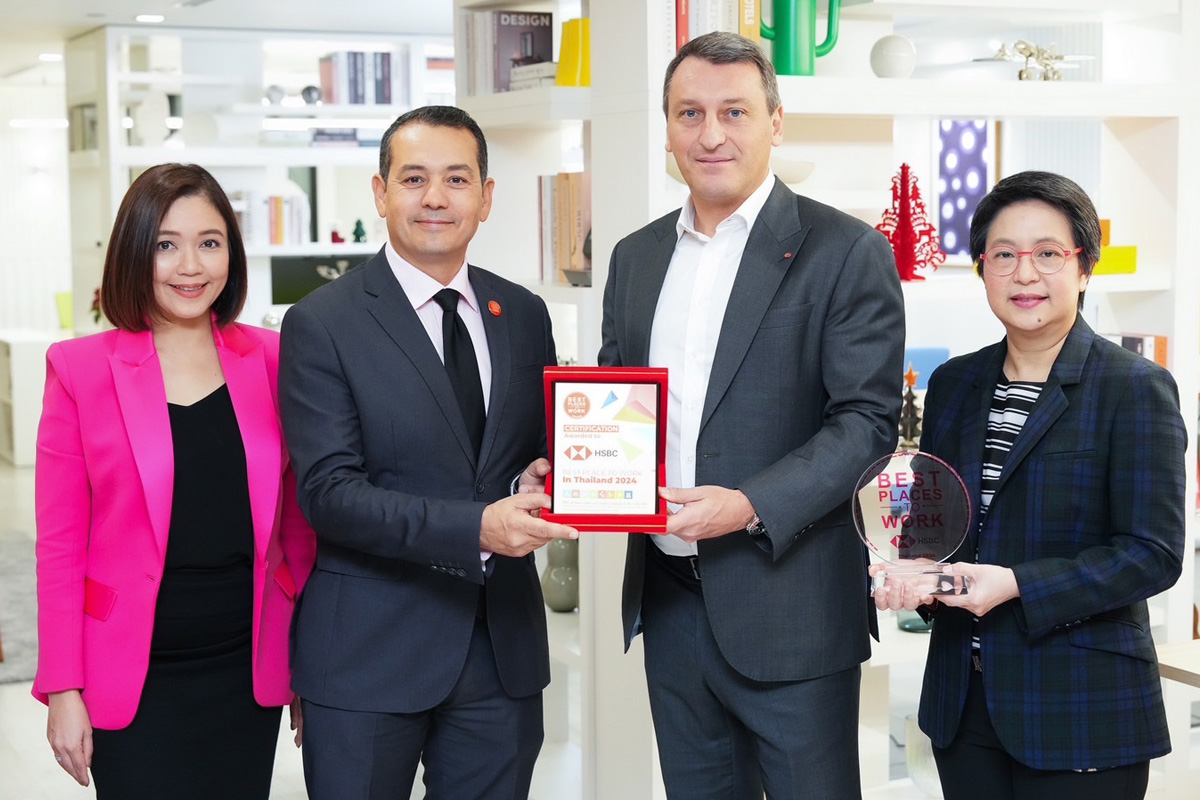
HSBC Thailand was recently awarded “Best Places to Work” by the globally recognized Best Places to Work Institute, acknowledging the bank's commitment to workplace culture and employee well-being. The accolade underscores HSBC Thailand’s ongoing dedication to diversity, equity, and inclusion.
The bank fosters a positive and collaborative work environment where employees from all backgrounds feel valued and supported in their growth and development.
Equality in Action
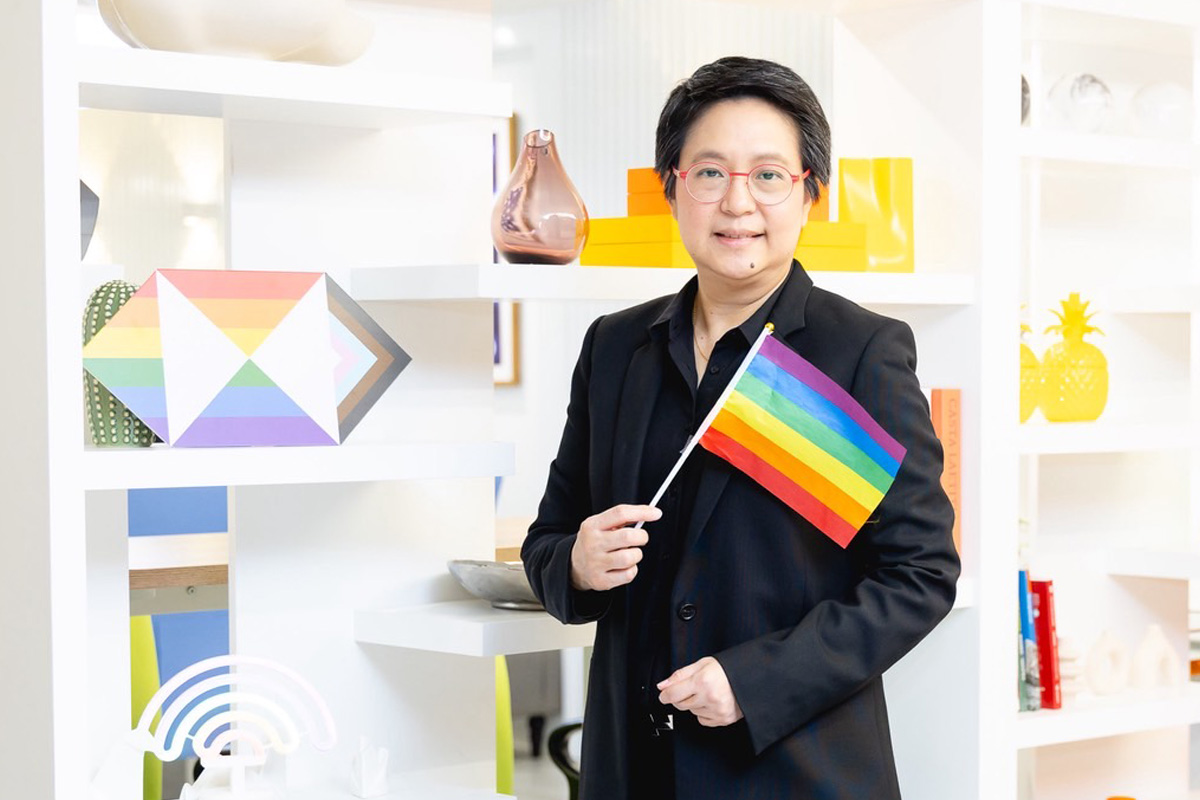
Ms. Malisa Siravisitporn, Senior Director of Human Resources at HSBC Thailand, shared that the bank has continuously supported gender and sexual diversity through comprehensive employee benefits. For over 15 years, health insurance coverage has included employees' same-sex partners. In recent years, the bank expanded its benefits even further, including paid parental leave for LGBTQ+ staff adopting children.
In 2023, HSBC introduced a groundbreaking policy granting up to 126 days of paid parental leave for LGBTQ+ employees who are the primary caregivers of adopted children—matching the leave period for biological parents. Additionally, non-primary caregivers, regardless of gender or orientation, are entitled to up to 30 days of paid leave to support newborn or adopted children.
“These benefits reflect our care and commitment to equality, even before the marriage equality law was officially enacted in Thailand,” said Ms. Malisa.
A Commitment to All Employees
HSBC Thailand continues to uphold equal benefits for all employees, regardless of gender, gender identity, or rank. In 2025, the bank has also enhanced its annual health check-up policy, ensuring all employees—of all genders and age groups—receive the same level of care.
“We are proud to see the Equal Marriage Act come into effect in Thailand. At HSBC, we are committed to fostering a truly inclusive workplace that embraces differences. That’s why we’ve introduced paid marriage leave for LGBTQ+ staff—equal to that of heterosexual employees. It’s a reflection of our belief that every employee should feel seen, supported, and respected,” Ms. Malisa emphasized.
A Workplace Built on Well-being and Respect
At the heart of HSBC Thailand’s people strategy is the belief that employee well-being and happiness are essential to success. By providing equal opportunities and fostering inclusivity, the bank creates a positive environment where every individual is empowered to reach their full potential.
Sources and further reading
Primary and authoritative sources used for context and fact-checking.
- Frequently asked questions on sexual and gender diversity, health and human rights World Health Organization (WHO)
- The Thai Handbook of Transgender Healthcare Services IHRI & Center of Excellence in Transgender Health, Chulalongkorn University
- Standards of Care for the Health of Transgender and Gender Diverse People, Version 8 World Professional Association for Transgender Health (WPATH)
- Consolidated guidelines on HIV, viral hepatitis and STI for key populations (2022) World Health Organization (WHO)
- STI Treatment Guidelines: Transgender and Gender Diverse Persons U.S. Centers for Disease Control and Prevention (CDC)
- Legal Gender Recognition in Thailand: A Legal and Policy Review United Nations Development Programme (UNDP)
- The struggle of trans and gender-diverse persons United Nations Human Rights (OHCHR)