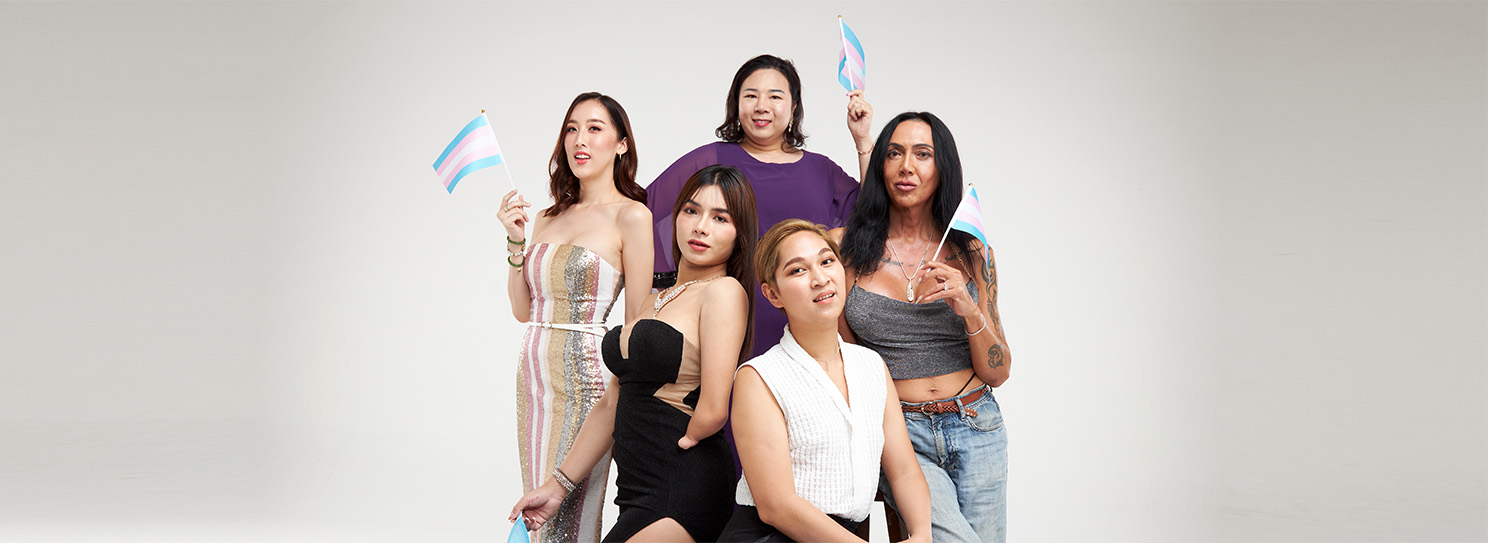

For decades, the portrayal of “transgender women” in Thai media has been limited to only a few narrow stereotypes—comic relief, marginalized side characters, or colorful additions meant to entertain rather than represent real human beings with dreams, dignity, and complexity. But as we move into 2025, that image is changing noticeably. Across television, film, news, digital platforms, and national entertainment stages, transgender women are gradually being represented as multidimensional people and diverse “figures of visibility.”
This article explores the emerging trends of transgender representation in Thai media in 2025, how these portrayals are evolving, what forces are driving the change, and how this shift is helping Thai society understand gender diversity on a deeper and more respectful level.
New Roles in Thai Dramas and Series: From Stereotypes to Depth and Humanity
In the past, transgender characters were often reduced to comedic tropes, surprise plot twists, or dramatic devices—such as being “outed” or treated as shock value. But in 2025, Thai TV dramas and series have begun breaking away from these old formulas.
Many shows now cast transgender women in leading roles with emotional depth and personal storylines. These characters are no longer written solely for jokes or exaggerated humor. Instead, they are portrayed as everyday women with relationships, careers, dreams, and life challenges—just like anyone else.
As a result, audiences are connecting with transgender characters more naturally, seeing them as full human beings rather than caricatures. The fact that transgender actresses are now being cast in roles not limited by their gender identity reflects a growing acceptance: character roles no longer need to be defined by the actor’s gender history.
Transgender Influencers: Redefining Mainstream Media Through the Power of Online Platforms
The year 2025 marks a strong rise in the influence of social media platforms—TikTok, Instagram, YouTube—which have become spaces where transgender women in Thailand can build visibility and community without gatekeeping.
Transgender influencers now command hundreds of thousands to millions of followers across diverse content types: lifestyle, beauty, fashion, comedy, business, academic content, and social justice advocacy. This digital growth has pressured mainstream media to adapt, as online popularity can no longer be ignored.
What once was considered a “niche identity” is now shaping pop culture, beauty standards, and public conversation. The image of transgender women is shifting from a stereotype to influential cultural figures who impact everyday Thai audiences.
National Entertainment Industries Are Becoming More Inclusive
In 2025, beauty pageants, modeling competitions, and talent shows increasingly welcome transgender contestants with clarity and seriousness. The presence of transgender women on national stages not only increases visibility, but also reshapes public perceptions of femininity and beauty.
Many events in 2025 have embraced the idea of the “Inclusive Pageant,” symbolizing a shift toward diversity and representation. This is a powerful cultural statement—demonstrating that the Thai beauty industry is moving beyond old stereotypes and embracing broader definitions of womanhood.
News and Documentaries: More Honest and Respectful Storytelling
News outlets and documentary programs in 2025 have also begun portraying transgender women through more nuanced and respectful storytelling. These stories focus on real lives—successes, hardships, careers, family building, and social contributions—rather than sensationalism or pity-driven narratives.
Instead of highlighting only drama or tragedy, media platforms now prioritize the voices of transgender individuals themselves. This gives audiences a more holistic understanding of their experiences and humanity.
A Cultural Shift: Toward Deeper Understanding and Social Awareness

The transformation in transgender representation in Thai media is driven by many factors: LGBTQ+ rights movements, increased awareness among younger generations, and the openness of online platforms that allow transgender people to control their own narratives.
As viewers see transgender women portrayed as teachers, entrepreneurs, designers, reporters, performers, and creators, public perception gradually evolves beyond outdated stereotypes.
This shift moves beyond screens—it influences real social attitudes. Conversations about gender, equality, and identity have become more open, replacing old misconceptions with understanding and empathy.
The Role of Online Platforms: Spaces Where Transgender Women Define Their Own Image
One of the most important elements of 2025 is the empowerment of transgender women through social media. Their online presence has become so strong that traditional media can no longer ignore it.
Key platforms include:
- TikTok – lifestyle, beauty, humor, daily life
- YouTube – talk shows, reviews, life journeys, long-form storytelling
- Instagram – fashion, branding, and professional identity
Crucially, online spaces allow transgender women to tell their stories on their own terms, without being limited by scripted roles or gatekeepers.
Changing Representation Is Not Only About Media—It Reflects the Entire Society
The evolution of transgender representation in Thai media in 2025 is not merely a media trend; it mirrors a larger transformation in Thai society. Media acts as a window that helps people understand diverse lives and shared humanity.
When transgender women are seen as fully human—with equal dignity and depth—new narratives begin to emerge. These narratives are broader, more realistic, and more meaningful than the limited portrayals of the past.
Sources and further reading
Primary and authoritative sources used for context and fact-checking.
- Frequently asked questions on sexual and gender diversity, health and human rights World Health Organization (WHO)
- The Thai Handbook of Transgender Healthcare Services IHRI & Center of Excellence in Transgender Health, Chulalongkorn University
- Standards of Care for the Health of Transgender and Gender Diverse People, Version 8 World Professional Association for Transgender Health (WPATH)
- Consolidated guidelines on HIV, viral hepatitis and STI for key populations (2022) World Health Organization (WHO)
- STI Treatment Guidelines: Transgender and Gender Diverse Persons U.S. Centers for Disease Control and Prevention (CDC)
- Legal Gender Recognition in Thailand: A Legal and Policy Review United Nations Development Programme (UNDP)
- The struggle of trans and gender-diverse persons United Nations Human Rights (OHCHR)